


Is Your Roof Ready for California’s Winter Rains? A January Inspection Checklist for Walnut Creek Properties
- Jan 16
- 9 min read
Winter in Walnut Creek brings a seasonal shift that many property owners underestimate. While Northern California avoids harsh snowstorms, January rainfall can be persistent and heavy enough to test every part of a roofing system. Roofs that perform well during dry months may suddenly show signs of weakness once prolonged moisture, wind, and cooler temperatures arrive. Leaks, water stains, and hidden structural damage often begin quietly, long before homeowners or business owners realize something is wrong.
A January roof inspection is one of the most effective ways to protect a property during California’s rainy season. Whether the structure is residential or commercial, the goal is the same. Identify vulnerabilities early, address developing issues, and ensure the roof can handle months of exposure to moisture. Walnut Creek’s mix of mature trees, varied roof styles, and aging properties makes winter preparedness especially important.
This guide explores how winter rain affects roofing systems, what property owners should be aware of during January, and how different roofing services and materials play a role in long term roof performance.

Winter Roofing Conditions in Walnut Creek, California
Walnut Creek experiences a Mediterranean climate with wet winters and dry summers. January often brings consecutive days of rainfall, sometimes accompanied by wind and cooler overnight temperatures. This pattern places steady stress on roofing materials rather than sudden extreme events. Moisture seeps into small openings, debris accumulates on roof surfaces, and drainage systems are tested repeatedly.
Homes throughout Walnut Creek often feature shingle roofing, tile roofing, or metal roofing. Commercial buildings commonly rely on flat roofing systems such as modified bitumen roofing, torch down roof systems, and TPO roofing. Each of these roofing types reacts differently to prolonged rain, making winter inspections essential rather than optional.
Why January Is a Critical Month for Roof Inspections
January inspections are preventative by nature. Instead of reacting to leaks after damage has occurred, inspections focus on identifying small issues before they escalate. Rainfall makes vulnerabilities more visible, allowing inspectors to trace moisture paths and assess how well the roof sheds water.
During winter, roofing materials contract slightly as temperatures cool, which can open gaps around flashing, seams, and fasteners. Even roofs that appeared sound in fall may begin to show signs of wear once rain becomes consistent. Addressing these issues in January reduces the likelihood of emergency repairs later in the season.
Residential Roof Repair and Winter Protection
Residential roof repair is often the first line of defense against winter rain damage. In Walnut Creek, many homes are decades old and have roofs that have experienced years of sun exposure followed by seasonal rain. Small issues such as cracked shingles, loose flashing, or damaged tiles can allow moisture to penetrate the roofing system.
Winter inspections for residential roof repair focus on identifying these vulnerable areas. Moisture intrusion can damage insulation, attic framing, and interior ceilings long before a visible leak forms. By repairing localized damage early, homeowners reduce the risk of widespread deterioration and costly interior repairs.
Residential Roof Replacement and Long Term Planning
There are times when repairs alone are no longer sufficient. Residential roof replacement becomes necessary when a roof has reached the end of its service life or when repeated repairs fail to resolve ongoing issues. Winter rain often exposes the true condition of aging roofs, revealing underlying problems that were previously hidden.
In Walnut Creek, residential roof replacement planning often begins after a winter inspection identifies widespread wear, underlayment failure, or structural concerns. Replacement allows homeowners to select materials suited for the local climate, improve energy efficiency, and ensure reliable protection for years to come.
Commercial Roof Repair During the Rainy Season
Commercial roof repair requires a specialized approach, particularly during winter. Flat and low slope commercial roofs are more susceptible to moisture accumulation, as water does not naturally shed as quickly as it does on sloped residential roofs.
In Walnut Creek commercial districts, winter inspections often uncover seam separation, membrane punctures, flashing failures, and drainage issues. Even minor damage can allow water to spread across large roof areas, increasing the risk of interior leaks. Commercial roof repair performed early in the rainy season helps maintain building operations and prevent disruption to tenants or customers.
Commercial Roof Replacement and System Upgrades
Commercial roof replacement is often a strategic decision informed by winter inspection findings. Roofs that experience recurring leaks or show signs of widespread deterioration may benefit from a full replacement rather than continued repairs.
Replacing a commercial roof allows property owners to improve drainage design, upgrade insulation, and select materials that perform well under Walnut Creek’s winter conditions. January inspections provide valuable insight into whether an existing roof can continue performing reliably or if replacement planning should begin.
Commercial Roof Coatings and Moisture Defense
Commercial roof coatings are commonly used to extend the life of existing roofing systems. These coatings provide an additional waterproof barrier that helps protect against moisture intrusion and environmental wear.
During winter inspections, roof coatings are evaluated for cracking, thinning, or separation. While coatings enhance protection, they still require maintenance and monitoring. In Walnut Creek, commercial roof coatings are especially valuable for flat roofing systems that experience repeated exposure to rain and debris.
Shingle Roofing and Rain Exposure
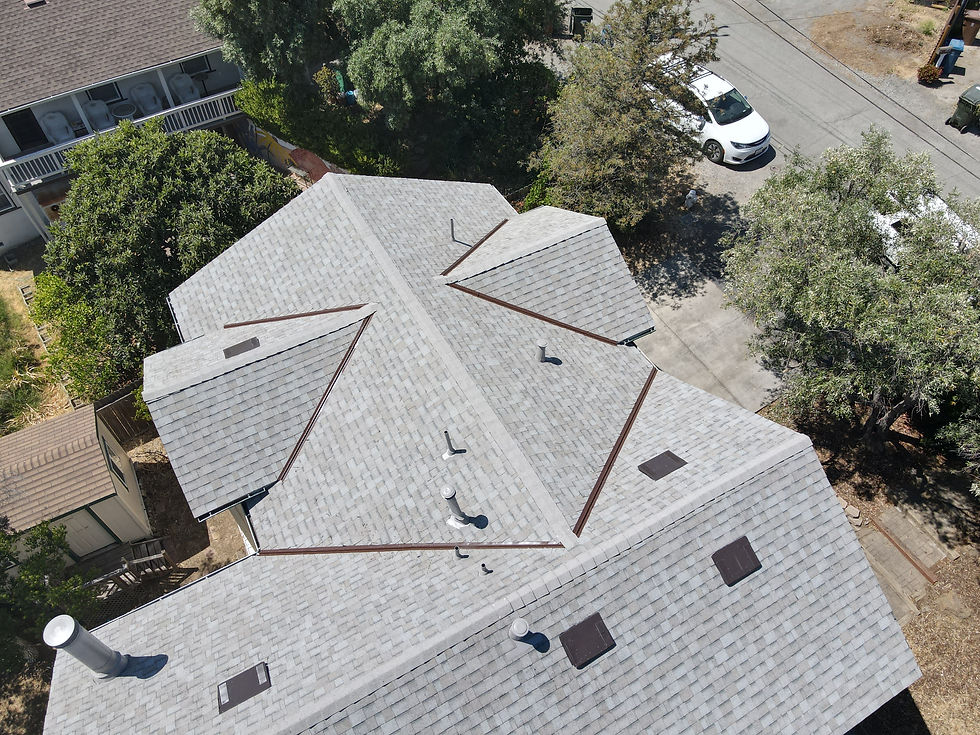
Shingle roofing is one of the most common residential roofing systems in Walnut Creek. Asphalt shingles rely on overlapping layers and intact granules to shed water effectively. Over time, sun exposure can dry out shingles, making them more vulnerable once winter rain arrives.
January inspections for shingle roofing focus on cracked, curled, or missing shingles, as well as granule loss. Wind driven rain can penetrate beneath damaged shingles, leading to leaks that affect attic spaces and ceilings. Addressing these issues early helps maintain the roof’s protective function throughout the rainy season.
Flat Roofing and Drainage Challenges
Flat roofing systems are widely used on commercial buildings and some residential properties. These roofs depend heavily on proper drainage to prevent standing water. During winter rain, drainage deficiencies become more apparent.
Flat roofing inspections in January evaluate surface condition, slope consistency, and drain functionality. Ponding water can accelerate membrane deterioration and increase the risk of leaks. Addressing drainage issues early improves roof longevity and reduces maintenance needs.
Metal Roofing and Seasonal Performance
Metal roofing is known for durability and longevity, making it a popular option in Walnut Creek. However, winter inspections remain essential to ensure optimal performance.
Metal roofing systems are checked for loose fasteners, seam separation, and signs of corrosion. Temperature changes during winter can cause expansion and contraction that loosens components over time. When properly maintained, metal roofing performs exceptionally well during prolonged rain.

Modified Bitumen Roofing and Winter Inspections
Modified bitumen roofing is commonly used on commercial properties due to its layered construction and waterproofing capabilities. Despite its durability, winter rain can expose weaknesses in seams and surface layers.
January inspections focus on identifying cracks, blistering, and areas of wear. Moisture intrusion beneath modified bitumen membranes can spread unseen, making early detection critical for long term performance.
Tile Roofing and Underlayment Protection
Tile roofing is a defining feature of many Walnut Creek neighborhoods. While tiles are highly resistant to water, the underlayment beneath them plays a crucial role in moisture protection.
Winter inspections evaluate cracked or displaced tiles and assess underlayment condition through indirect signs. Prolonged rain can exploit small gaps, allowing moisture to reach the roof deck. Addressing tile damage early helps preserve both appearance and performance.
Torch Down Roof Systems in Rainy Conditions
Torch down roof systems are designed for flat and low slope roofs, offering strong waterproofing through heat applied membranes. Winter rain tests seam integrity and drainage effectiveness.
January inspections look for surface wear, seam separation, and debris buildup. Torch down roofs that receive regular maintenance perform reliably during Walnut Creek’s rainy season.
TPO Roofing and Cold Weather Durability
TPO roofing is widely used on commercial buildings for its reflective properties and energy efficiency. Winter inspections focus on seam adhesion, membrane flexibility, and drainage performance.
Walnut Creek’s relatively mild winter temperatures allow TPO roofing to perform well, provided seams remain intact and water does not pool on the surface. January evaluations help ensure the system continues functioning as designed.
Interior Warning Signs During Winter Rain
Roof inspections should never stop at the exterior surface. Many of the earliest and most telling signs of roofing problems appear inside the home or building, especially during January when rain is frequent and consistent in Walnut Creek. Interior warning signs often develop gradually and can go unnoticed until damage becomes more severe.
Ceiling stains are one of the most common indicators of moisture intrusion. These stains may appear as faint discoloration at first and darken over time as water continues to enter the roofing system. Stains are often found near roof penetrations, along exterior walls, or beneath valleys where water flow is concentrated. In commercial buildings, stains may appear above drop ceilings or near HVAC equipment.
Damp or compressed insulation in attic spaces is another warning sign. When insulation becomes wet, it loses its ability to regulate indoor temperatures and can contribute to higher energy costs. Prolonged moisture exposure also increases the risk of mold growth, which can affect indoor air quality and create health concerns for occupants.
Musty or earthy odors inside the home or building often signal hidden moisture. These smells may originate from attic spaces, wall cavities, or ceiling assemblies where water intrusion has gone undetected. During January rainfall, active leaks are easier to trace, making this an ideal time to investigate unusual odors or humidity changes.
Early identification of these interior signs allows repairs to be made before moisture spreads into framing, drywall, or flooring materials. Addressing interior warning signs promptly helps prevent more extensive restoration work and preserves the structural integrity of the property.
Environmental Factors Unique to Walnut Creek
Walnut Creek’s natural landscape plays a significant role in how roofs perform during winter. Many neighborhoods are lined with mature oak trees, pine trees, and ornamental landscaping that shed leaves and debris throughout the rainy season. While these trees enhance curb appeal, they also create challenges for roofing systems during prolonged rainfall.
Leaves, pine needles, and small branches tend to accumulate on roof surfaces, in valleys, and inside gutters. When rain falls, this debris traps moisture against roofing materials, slowing the drying process and accelerating wear. Shingle roofing can deteriorate faster when organic matter holds water against the surface. Tile roofing may experience moss or algae growth in shaded areas, which can gradually shift tiles out of position.
Flat roofing systems are especially affected by debris buildup. Blocked drains and scuppers prevent water from flowing off the roof efficiently, increasing the risk of ponding water. Over time, standing water places additional stress on membranes and seams, raising the likelihood of leaks.
Winter roof inspections in Walnut Creek take these environmental factors into account by evaluating roof cleanliness, drainage efficiency, and gutter performance. Managing debris through regular maintenance allows roofs to shed water properly and reduces long term deterioration caused by trapped moisture.
The Value of Preventative Maintenance
Preventative maintenance is one of the most effective strategies for protecting a roof during California’s winter rains. Rather than waiting for visible leaks or interior damage, preventative care focuses on addressing minor issues before they develop into major problems.
Small repairs completed in January can prevent emergency situations later in the season when storms are more intense and repair scheduling becomes more difficult. Proactive maintenance allows property owners to plan repairs at convenient times and avoid the higher costs often associated with urgent, weather related damage.
Residential properties benefit from preventative maintenance by preserving interior finishes, insulation, and structural components. Commercial properties benefit by reducing the risk of business interruptions, tenant complaints, and damage to equipment or inventory.
Routine inspections and maintenance extend roof lifespan by reducing cumulative wear. When roofing systems are maintained consistently, they perform more reliably and require fewer major repairs over time. This approach provides long term value and peace of mind for property owners throughout Walnut Creek.
Plan Ahead for a Stronger Roofing System
A January roof inspection is not only about addressing immediate concerns. It also supports long term planning by providing a clear picture of roof condition and future needs. Property owners gain valuable insight into remaining roof lifespan, areas that may require attention in the coming years, and whether repairs or replacement should be anticipated.
Understanding the current condition of the roof helps homeowners budget for future improvements and make informed decisions about materials and upgrades. For commercial property owners, this information supports capital planning and helps align roofing projects with operational schedules.
Planning ahead reduces uncertainty and allows property owners to take a strategic approach to roof care. By addressing issues early and preparing for future needs, roofs remain stronger, more reliable, and better equipped to handle Walnut Creek’s seasonal weather patterns.

Schedule Your Winter Roof Inspection With Apollo Roofing Company
Winter rain in Walnut Creek can expose roofing issues quickly and without warning. A professional roof inspection provides the clarity and protection property owners need during the rainy season. Apollo Roofing Company offers comprehensive residential and commercial roofing services, including residential roof repair, residential roof replacement, commercial roof repair, commercial roof replacement, and commercial roof coatings. Their experience spans shingle roofing, flat roofing, metal roofing, modified bitumen roofing, tile roofing, torch down roof systems, and TPO roofing. Contact Apollo Roofing Company today to schedule your January roof inspection and ensure your roof is prepared to protect your property throughout winter and the year ahead.


Comments